City Guide
Baltimore
Charm City's Gritty Soul
Baltimore doesn't ask for your approval—it just does its thing. This port city claims Billie Holiday and Beach House as natives; Frank Zappa's family left Baltimore when he was young, so treat that as early roots, not a hometown-scene boast. The music here carries industrial history, racial complexity, and working-class grit.
From the crates at The Sound Garden and Celebrated Summer to nights at the Ottobar, Charm City rewards diggers who stay past the Inner Harbor loop.
The Music Scene
Baltimore's music history is as diverse and complicated as the city itself. Billie Holiday, born here in 1915, became one of jazz's most iconic voices. Her legacy casts a long shadow—tragic, brilliant, and deeply felt.
Frank Zappa grew up in Baltimore before moving to California, and the city's surrealism and grit shaped his avant-garde sensibilities. Philip Glass, the minimalist composer, also calls Baltimore home.
The indie and alternative scene exploded in the 2000s. Animal Collective formed here, creating psychedelic experimental pop that defies categorization. Beach House brought dreamy, shoegazey soundscapes to the world. Future Islands combined new wave and emotional intensity for a sound that's unmistakably Baltimore—earnest, weird, danceable.
Dan Deacon and the Wham City collective turned warehouse spaces into experimental electronic playgrounds. Celebration, Ponytail, and Double Dagger added noise-pop, math rock, and post-punk to the mix. The city's DIY infrastructure supported all of it.
Hip-hop and club music thrive in Baltimore's Black neighborhoods. Baltimore club (a high-energy, sample-heavy dance genre) was pioneered by DJ Technics, Rod Lee, and others in the 1990s. The city's hip-hop scene has produced YBS Skola, Lor Scoota, and a constant flow of new talent.
The Ottobar, The Crown, and a rotating cast of DIY venues keep the independent spirit alive. Baltimore doesn't wait for mainstream validation—it builds its own stages.
Record Stores
Baltimore has 8 open record shops in our list right now.
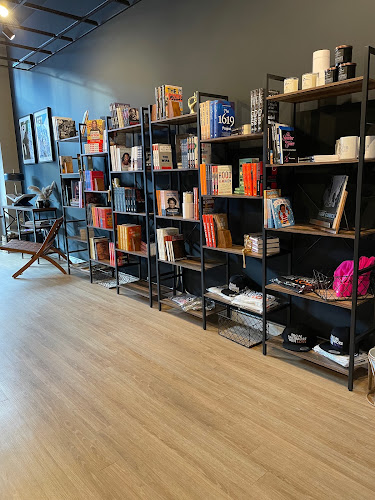
Start with Celebrated Summer Records, E2-E4 Records, and Normal's Book & Records.
Also open: Secret Sound; The Sound Garden-Baltimore; Vinyl and Pages; Wax Atlas Record and Stereo Exchange; whatever records.
Live Music Venues
Baltimore's venues are gritty, authentic, and essential to the city's music ecosystem.
The Ottobar in Remington is the anchor—since 1997, this 400-cap club has hosted everyone from Animal Collective to Future Islands to national touring acts. Two rooms, solid sound, zero pretense. If you see one show in Baltimore, make it here.
The Crown in Station North is a smaller, scrappier venue for punk, hardcore, and indie. All-ages shows, DIY energy, and a commitment to keeping ticket prices low.
Baltimore Soundstage downtown handles mid-sized national tours (capacity ~1,500). Bigger productions, more polished, but still retains Baltimore's edge.
The 8x10 in Federal Hill offers waterfront views and mid-sized shows (capacity ~300). Good for indie rock, folk, and singer-songwriter acts.
Metro Gallery on North Charles Street is tiny (capacity ~100) and perfect for intimate shows. Local bands, experimental acts, and cheap beer.
Rams Head Live at Power Plant Live is the tourist-adjacent option—national acts, corporate feel, but decent venue quality.
The DIY warehouse scene is where Baltimore's future happens. Venues come and go, but the network endures. Follow local bands and collectives on social media for addresses and show announcements.
Music History & Legends
Baltimore's music history is a story of resilience. Billie Holiday grew up poor in Baltimore, endured racism and trauma, and became one of the 20th century's greatest vocalists. Her 1939 recording of "Strange Fruit" remains a haunting protest against lynching.
In the 1960s-70s, Baltimore's jazz and soul scenes thrived in clubs along Pennsylvania Avenue (the city's historic Black cultural corridor). Cab Calloway, Eubie Blake, and others kept the tradition alive.
The punk and hardcore scene emerged in the 1980s. The Obsessed (doom metal pioneers), Lungfish (post-hardcore minimalists on Dischord Records), and others built a regional scene connected to DC but distinctly Baltimore.
1990s-2000s indie explosion put Baltimore on the national map. Animal Collective formed in 2003 and redefined psychedelic pop. Beach House released their debut in 2006, launching a dream-pop resurgence. Future Islands spent years grinding through clubs before their 2014 Letterman performance made them unlikely stars.
Dan Deacon and Wham City turned warehouses into experimental hubs. Their 2006-2012 heyday created a scene that felt like anything could happen—and often did.
Baltimore club music, created in the 1980s-90s, remains underground but influential. Diplo sampled it, Blaqstarr collaborated with M.I.A., but the genre belongs to Baltimore.
Neighborhoods for Music Lovers
Fell's Point is the historic waterfront neighborhood with cobblestone streets, bars, and Sound Garden record store. Touristy but still charming. Good for afternoon record shopping and dinner before a show.
Hampden ("The Avenue") is Baltimore's quirky, artsy neighborhood. Vintage shops, dive bars, Celebrated Summer record store, and John Waters' favorite haunts. It's gentrified but retains weirdness.
Remington is where The Ottobar lives. Industrial-turned-hip neighborhood with breweries, coffee shops, and artist studios. Grittier than Hampden, more authentic.
Station North is the arts district with galleries, theaters, The Crown, and DIY energy. It's rougher around the edges but that's part of the appeal.
Charles Village near Johns Hopkins University has a college-town vibe. Cheaper food, younger crowds, and some smaller venues.
Federal Hill is the yuppie neighborhood with The 8x10 and Inner Harbor views. Less gritty, more polished, but convenient for visitors.
The Perfect Music Day
Morning: Start at The Sound Garden in Fell's Point when they open. Dig through the used vinyl—plan for at least an hour. Grab coffee nearby and walk the cobblestone streets.
Afternoon: Head to Hampden and browse Celebrated Summer for punk and indie vinyl. Walk The Avenue—vintage shops, Atomic Books (John Waters territory), and the quirky charm Baltimore does best.
Late Afternoon: Swing by Remington and check out Normal's Books & Records. Grab a beer at a local brewery if there's time.
Evening: Catch a show at The Ottobar—check their calendar in advance. If nothing's on there, try The Crown or Metro Gallery for something more intimate. Baltimore shows start late and go hard.
Pro tip: Baltimore is grittier than DC or Richmond—embrace it. The city rewards those who dig beneath the surface.
Your Route
Practical Info
Best time to visit: Spring and fall for weather. Summer gets hot and humid. Winter is cold but venues stay active year-round.
Getting around: Car is easiest—neighborhoods are spread out and public transit is limited. Rideshare works for getting to shows. Fell's Point, Hampden, and Remington are walkable once you're there.
Where to stay: Hotels in Inner Harbor area for convenience, or Airbnbs in Fell's Point or Hampden to be near the music. Avoid staying too far out—traffic into the city can be brutal.
Local tip: Baltimore has a reputation, and some of it is earned. Stick to the music neighborhoods and you'll be fine. The city's rough edges are part of its character—don't expect sanitized or polished. That's not Baltimore.