City Guide
Charleston
Where History Meets the Beat
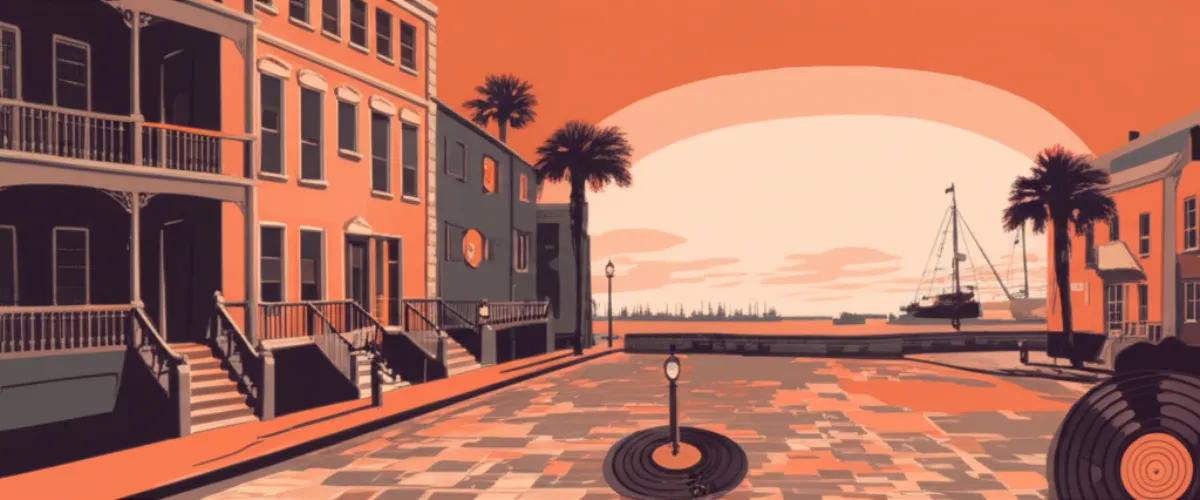
Charleston wears its history openly—cobblestones, antebellum architecture, and centuries of Lowcountry culture. Under the tourist layer sits a working music scene: jazz rooms, indie bills, and Spoleto-season energy that still books after the festival tents come down.
With only two open in-city record shops on our list, plan the dig around those stops and let the venues carry the night.
The Music Scene
Charleston's music scene balances reverence for history with hunger for what's next. The city's jazz legacy runs deep—in the 1920s, the Charleston dance became a national craze, and the jazz clubs of King Street brought the sound to Southern audiences. Quentin "Butter" Baxter, a Charleston-born jazz pianist, kept the tradition alive for decades.
The indie and alternative scene emerged in the 1990s-2000s. Hootie & the Blowfish (from nearby Columbia but deeply connected to Charleston) exploded nationally. Local acts like Danielle Howle, Slow Runner, and Susto built followings through relentless touring and genuine songcraft. Susto in particular blends Americana, indie rock, and Southern storytelling in a way that feels uniquely Charleston.
Shovels & Rope, the husband-wife duo of Michael Trent and Cary Ann Hearst, are Charleston's biggest current export. Their raw, energetic folk-rock has earned critical acclaim and a devoted fanbase. They still play local shows when they're not touring the world.
Charleston's Spoleto Festival USA, founded in 1977, brings 17 days of opera, theater, dance, and music every May-June. It's highbrow but accessible, and it attracts world-class performers to a mid-sized Southern city.
The local scene thrives at venues like The Music Farm, The Pour House, and smaller bars in Upper King Street. Bands like Stop Light Observations, NEEDTOBREATHE (Christian rock, but huge in Charleston), and a constant rotation of singer-songwriters keep the clubs packed.
Charleston's music carries the weight of the South—beautiful, complicated, and impossible to ignore.
Record Stores
Charleston has 2 open record shops in our list right now.
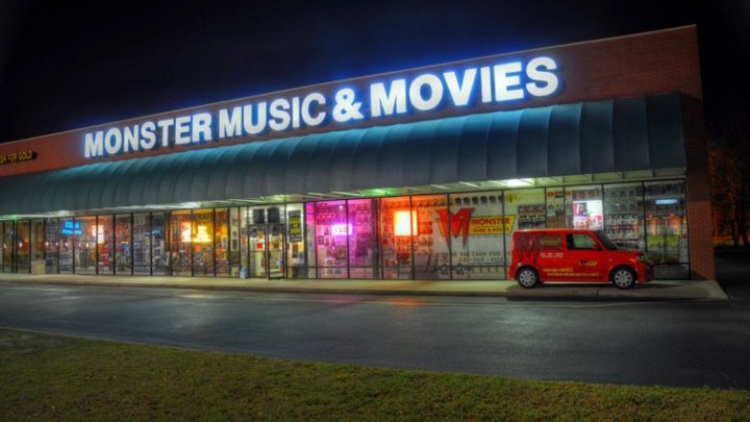
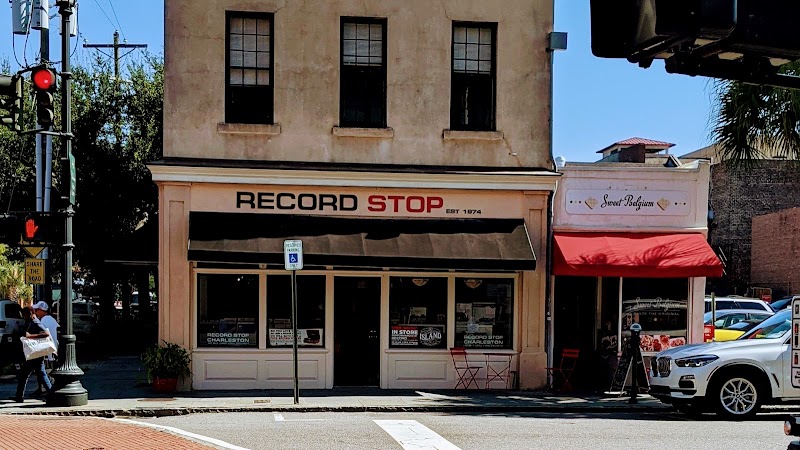
Monster Music & Movies and Record Stop Charleston are the open in-city stops.
Live Music Venues
Charleston's live music venues range from historic theaters to dive bars, all essential to the ecosystem.
The Music Farm on Ann Street is Charleston's premier rock club (capacity ~900). Since the 1980s, this venue has hosted everyone from Nirvana to The Black Keys to local bands grinding their way up. Sticky floors, loud sound, no pretense—Charleston's best venue.
The Pour House on James Island offers a more laid-back vibe (capacity ~500). Outdoor stage, waterfront views, and a mix of rock, reggae, jam bands, and Americana. Great for summer shows.
Charleston Music Hall downtown is the upscale option—a renovated theater hosting national touring acts, singer-songwriters, and Spoleto Festival events. Seated venue, better sound than most clubs, more expensive tickets.
The Windjammer on Isle of Palms is the beach bar with live music every weekend. Reggae, rock, beach vibes, and tourists. Fun but not where you'll find cutting-edge local music.
The Royal American on Morrison Drive is the dive bar with a stage. Punk, indie, hip-hop, and whatever else fits. Cheap drinks, local bands, and the kind of sweaty chaos Charleston needs.
Tin Roof on Market Street is corporate but books solid national acts. Multiple locations across the South—Charleston's version is polished and tourist-friendly.
For jazz, Charleston Gaillard Center hosts bigger productions, while smaller bars in the French Quarter occasionally have live jazz nights.
Music History & Legends
Charleston's music history is tied to its cultural complexity. In the 1920s, the city contributed the Charleston dance to the Jazz Age—a high-energy, knee-knocking step that became a national phenomenon. Jazz clubs along King Street brought the sound South during an era of segregation and cultural ferment.
The Gullah culture of the South Carolina Lowcountry preserved African musical traditions—call-and-response singing, ring shouts, and spirituals that influenced American gospel, blues, and jazz. Charleston sits at the center of this heritage.
In the 1970s, Spoleto Festival USA was founded by composer Gian Carlo Menotti. The festival brought opera, classical music, and avant-garde performance to Charleston, establishing the city as a cultural destination beyond its historic tourism.
The 1990s-2000s indie rock boom saw Charleston bands like Danielle Howle & Tantrums, Slow Runner, and others gain regional and national followings. The Music Farm became the launching pad for local acts.
Shovels & Rope formed in 2010 and quickly became Charleston's most successful modern export. Their raw, no-frills folk-rock and relentless touring ethic embody the city's musical spirit.
NEEDTOBREATHE, the Christian rock band from nearby Seneca, SC, adopted Charleston as their home base and became one of the city's biggest draws for arena-level shows.
Neighborhoods for Music Lovers
Upper King Street is Charleston's nightlife and music corridor. Bars, restaurants, The Music Farm, and The Royal American cluster here. It's gentrified and crowded with tourists, but it's where the action is.
Downtown/French Quarter is the historic heart—cobblestone streets, antebellum buildings, and tourist attractions. Some live music in bars, but it's more about history than music culture.
James Island (across the Ashley River) is where The Pour House lives. More local, less touristy, good for outdoor shows and waterfront vibes.
Folly Beach is the quirky, laid-back beach town with The Windjammer and surf culture. It's where Charlestonians go to escape the tourist crowds.
Isle of Palms and Sullivan's Island are the upscale beach communities. Less music infrastructure but beautiful if you're staying nearby.
West Ashley and Morrison Drive neighborhoods are where locals live and smaller venues/bars operate. Less polished, more authentic Charleston.
The Perfect Music Day
Morning: Start at Monster Music & Movies on Folly Road. Dig through vinyl for an hour—grab some local band releases if you find them.
Afternoon: Head downtown to Upper King Street. Browse local shops and grab lunch at one of the neighborhood spots—Charleston's food scene is world-class.
Late Afternoon: Walk the historic district or grab a drink at a local bar and check show schedules for the evening.
Evening: Catch a show at The Music Farm (buy tickets in advance for bigger acts) or hit The Royal American for a more intimate, dive-bar vibe. If it's summer, consider The Pour House for outdoor waterfront music.
Pro tip: Charleston gets hot and humid in summer. Hydrate, dress light, and embrace the sweat at shows. And don't sleep on the local bands—Charleston's scene rewards those who pay attention.
Practical Info
Best time to visit: Spring (March-May) for Spoleto Festival and perfect weather. Fall (September-November) is also great. Summer is brutally hot and humid but beach shows make it worthwhile. Winter is mild but quieter for music.
Getting around: Uber/Lyft for getting to shows. Downtown is walkable but venues are spread across the metro area. Don't drink and drive—Charleston police are strict.
Where to stay: Hotels downtown put you in the tourist zone. Airbnbs in Upper King, James Island, or Folly Beach get you closer to the music and local vibe.
Local tip: Charleston is beautiful but complicated. The city's history includes slavery, segregation, and ongoing racial tension. Approach with awareness and respect. And if you're at a show, buy merch—local bands need the support.