
City Guide
Greenville
Upstate's Rising Sound
Greenville, South Carolina has transformed from a textile town into a walkable Upstate city—Main Street lined with breweries, restaurants, and music rooms that feel big for the population.
Keep the dig SC-only: Cabin Floor, Horizon, and Pharmacy. Do not mix in Greenville NC shops.
The Music Scene
Greenville's music scene punches above its weight for a city of about 70,000, with talent across generations.
Marcus King is Greenville's current national export—Southern rock and blues guitar with Grammy attention. Earlier waves put country and pop acts on the map from the Upstate.
Downtown rooms and brewery stages keep weeknights honest; check calendars rather than assuming a tourist-town soundtrack.
Record Stores
Greenville SC has 3 open record shops in our list. Do not include Greenville NC shops.
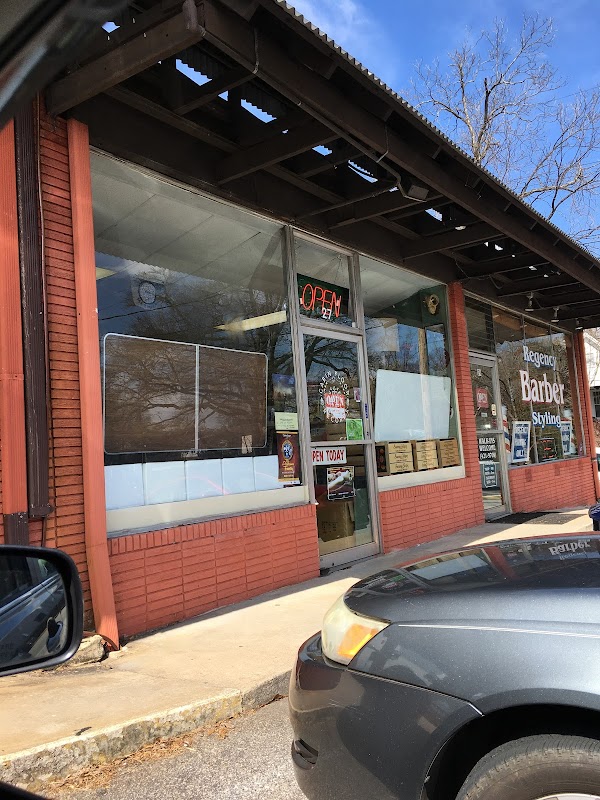
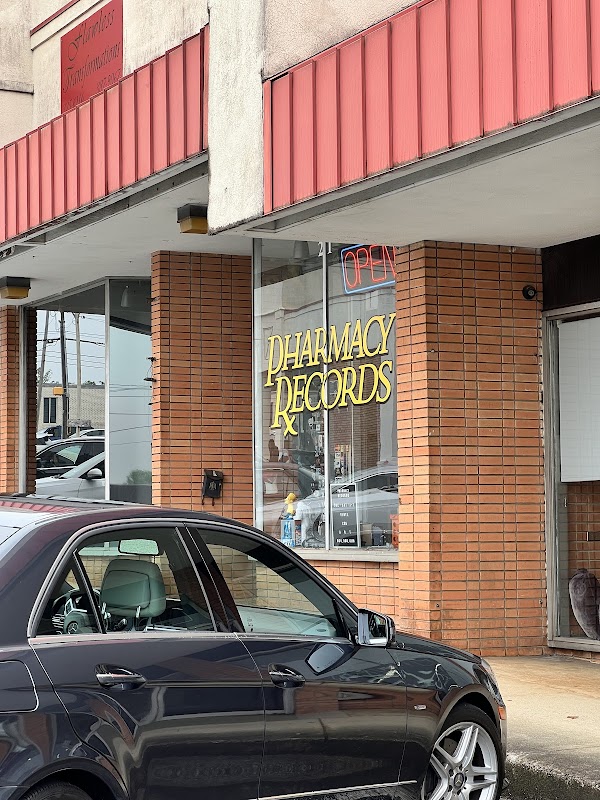
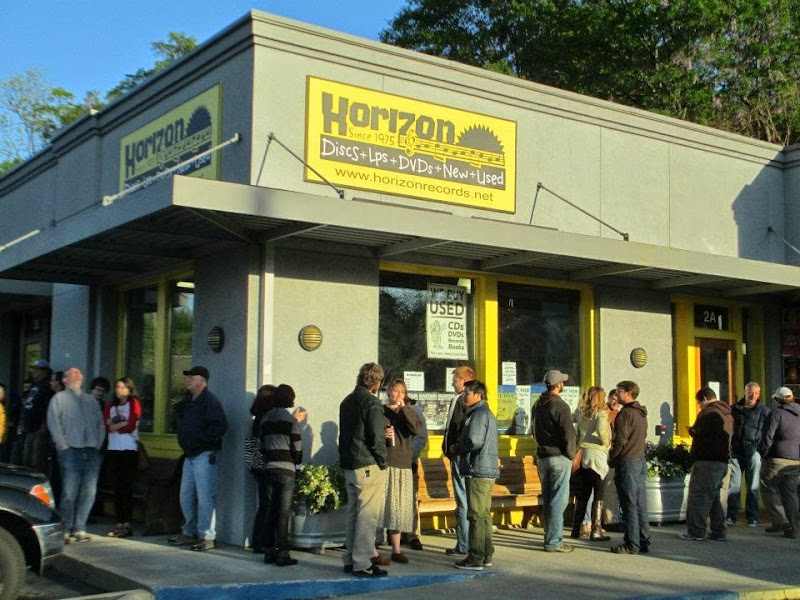
Start with Cabin Floor Records, Horizon Records, and Pharmacy Records.
Live Music Venues
Greenville's venues have grown rapidly as the city attracts more talent and audiences.
The Radio Room on Laurens Road is Greenville's premier rock club (capacity ~300). Opened in 2010, it's booked everyone from Trampled by Turtles to Jason Isbell to local bands on the rise. Great sound, solid sightlines, and a commitment to independent music. If you're seeing one show in Greenville, check their calendar first.
Gottrocks on Main Street is the long-running live music bar (since 1985). Smaller capacity (~150), dive bar vibes, and a mix of rock, blues, and Americana. It's survived downtown's gentrification by staying essential to the scene.
The Lazy Goat on the Reedy River offers waterfront dining with live music on weekends—singer-songwriters, jazz, and acoustic acts. More polished than Gottrocks, great for dinner and a show.
Brewery 85 and other Upstate breweries host regular live music—local bands, bluegrass pickers, and singer-songwriters. Free shows, outdoor seating, and good beer.
The Peace Center downtown is Greenville's performing arts venue (capacity ~2,100) for big national tours, Broadway shows, and classical performances. It's corporate but professionally run.
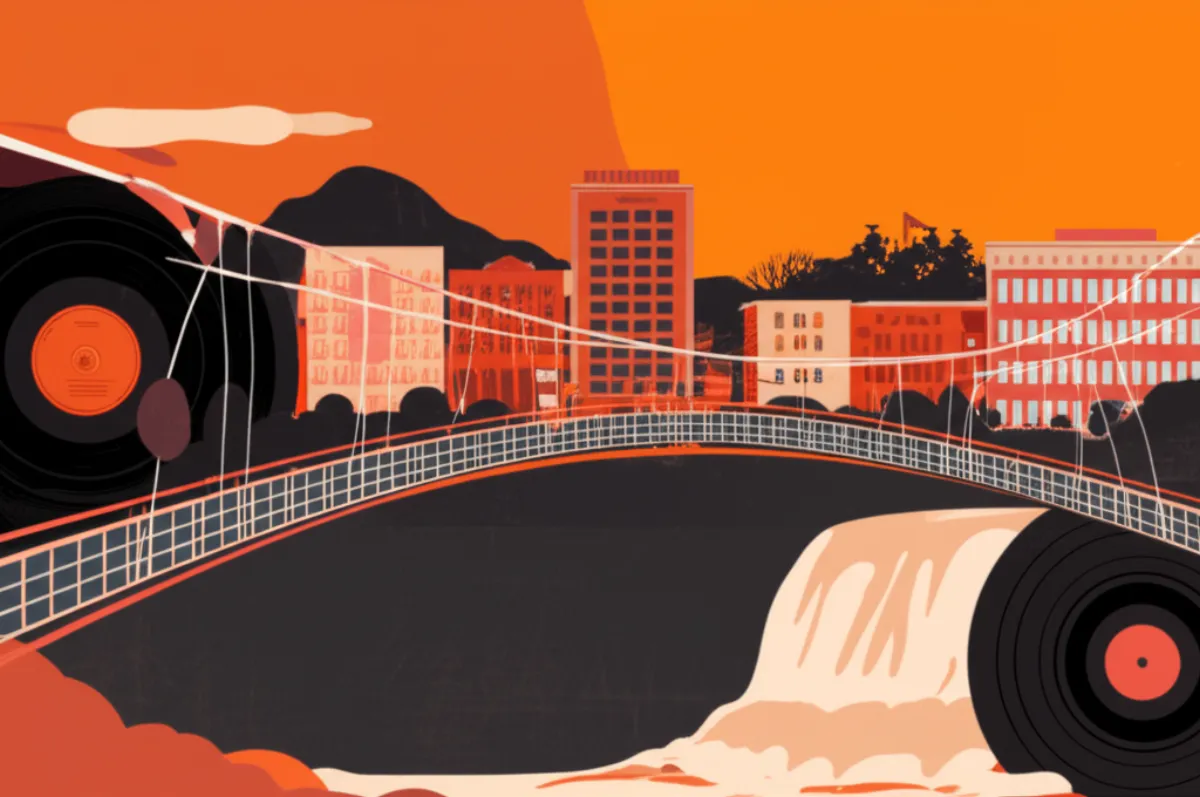
Greenville County Museum of Art and Falls Park on the Reedy host outdoor concerts and festivals—especially in summer. The park's suspension bridge and waterfall provide a stunning backdrop for live music.
Furman University brings occasional shows to campus venues, adding to the city's music offerings.
Gottrocks
736 S Main St, Greenville, SC 29601
Dive bar with live music since 1985. Gritty, authentic, essential.
Music History & Legends
Greenville's music history is a story of transformation and unexpected talent emerging from a textile town turned cultural hub.
Peabo Bryson was Greenville's first major musical export. Born Robert Peabo Bryson in 1951, he started singing in his father's church and local groups before breaking through nationally in the late 1970s. His smooth, romantic R&B made him a star—"Feel the Fire" (1978), "Reaching for the Sky" (1977), and collaborations with Roberta Flack and Natalie Cole established him as one of soul's premier voices. But it was his Disney work in the 1990s that made him a household name: "A Whole New World" (Aladdin, 1992) and "Beauty and the Beast" (1991) both won Grammy Awards for Best Pop Performance by a Duo or Group with Vocals. Greenville celebrates Bryson as proof that world-class talent can come from anywhere.
Edwin McCain emerged in the 1990s during the post-grunge singer-songwriter boom. Born in Greenville in 1970, McCain formed his band and built a regional following before Atlantic Records signed him. His 1998 album Misguided Roses spawned "I'll Be," which became a massive hit despite never cracking the top 3 (it peaked at #5). McCain never chased mainstream success after that—he kept touring, kept writing, kept releasing albums. His 2023 record Mercy Bound showed he's still crafting solid Southern rock. Greenville claims him as one of their own.
Horizon Records opened in 1975, anchoring Greenville's vinyl culture through disco, punk, hair metal, grunge, and every shift since. Owner Jack Burton built a legacy that outlasted chains and trends. The store became a gathering place for Greenville's music community.
The Marcus King Band formed in Greenville in 2013 when Marcus was just 17. His father, Marvin King, and grandfather, B.B. Belin, were both musicians in the Greenville area, creating a multi-generational Southern music lineage. The young band toured relentlessly—playing The Get Right's "Get Down Get Funky" festival in Greenville, building followings in Charleston and Asheville, and eventually catching the attention of jam band and Americana crowds nationally. By 2018, they were playing sold-out shows across the country. Marcus King's 2020 solo album El Dorado (produced by Dan Auerbach) showed he could move beyond Southern rock into sophisticated songwriting. He's become one of the most important young musicians in American roots music.
Greenville's downtown revitalization (2000s-present) transformed Main Street from abandoned storefronts to breweries, restaurants, and music venues. The Radio Room opened in 2010 and became the anchor for the city's growing indie scene.
The city's proximity to Asheville (90 minutes) and Charlotte (2 hours) means Greenville has benefited from regional music migration—bands and fans flow between the cities, strengthening the Upstate's cultural ecosystem.
Neighborhoods for Music Lovers
Downtown Main Street is Greenville's revitalized heart. Gottrocks, restaurants, breweries, and Falls Park on the Reedy cluster here. It's walkable, clean, and buzzing with energy—especially on weekends. The city invested heavily in making downtown pedestrian-friendly, and it shows.
West End is the artsy neighborhood with galleries, coffee shops, and local businesses. More bohemian than Main Street, though gentrification is creeping in.
Laurens Road is where The Radio Room lives. It's more suburban and car-dependent, but the venue is worth the drive.
Overbrook/Paris Mountain areas are residential and quieter—good for Airbnbs if you want a more local experience.
Travelers Rest (just north of Greenville) is the outdoor recreation hub with breweries and the Swamp Rabbit Trail. Occasional live music at breweries, and it's a nice bike ride from downtown.
TR (Travelers Rest) and nearby Furman University add college-town energy without dominating the city like USC does in Columbia.
The Perfect Music Day
Morning: Start at Horizon Records on McBee Avenue. Dig through vinyl for an hour—grab local band releases and Southern rock classics.
Afternoon: Walk Main Street downtown and browse Pharmacy Records. Grab lunch at one of the neighborhood spots, then check out Falls Park on the Reedy—the suspension bridge and waterfall are worth the visit even if there's no show happening.
Late Afternoon: Hit Cabin Floor Records for more digging, then stop at a local brewery (plenty to choose from) and see if there's live music scheduled. Greenville's brewery scene is excellent.
Evening: Catch a show at The Radio Room (check calendar in advance) or hit Gottrocks for a more dive-bar experience. If nothing grabs you, The Lazy Goat usually has a singer-songwriter playing.
Pro tip: Greenville is 90 minutes from Asheville—if you're in the region, consider hitting both cities for a full Upstate music experience.
Your Route
Practical Info
Best time to visit: Spring and fall for perfect weather and outdoor concerts. Summer is hot and humid but Parks programming stays active. Winter is mild but quieter for music.
Getting around: Downtown is walkable once you're there. Uber/Lyft works for getting to The Radio Room or other venues outside downtown. Parking is easy compared to bigger cities.
Where to stay: Hotels on Main Street put you in the center of downtown. Airbnbs in West End or near Furman offer more local vibes. Greenville is small enough that nothing is far.
Local tip: Greenville is growing fast—what feels new today might be old news in a year. The city is invested in arts and music, so expect the scene to keep evolving. And if you're into outdoor stuff, the Swamp Rabbit Trail and Paris Mountain State Park are worth exploring.