City Guide
Washington
Punk's Capital City
Washington, DC isn't just the nation's capital—it's a hardcore punk birthplace. While politicians argued in marble buildings, teenagers in basement clubs built Dischord-era rules: DIY, all-ages, no rock-star nonsense. Minor Threat, Bad Brains, Fugazi, and the label ecosystem still define how the city talks about shows.
That is only half the story. Go-go—DC's homegrown funk—thrived in Black communities at the same time and still matters. A honest DC guide holds both.
The Music Scene
DC's music identity splits between two towering legacies: hardcore punk and go-go. Both are fiercely local, deeply political, and unapologetically themselves.
Hardcore punk was born here in the early 1980s. Bad Brains brought reggae-tinged fury and Afrofuturist consciousness. Minor Threat created straight edge and wrote anthems that still resonate. Fugazi proved a band could operate with complete integrity—$5 shows, all-ages venues, full creative control—and still matter internationally. Ian MacKaye's Dischord Records, founded in 1980, remains DC's conscience, documenting the scene for over 40 years.
Go-go is DC's Black cultural heartbeat. Created in the 1970s by Chuck Brown (the "Godfather of Go-Go"), it's a percussive, call-and-response funk that's never stopped. Bands like Rare Essence, Backyard Band, and Trouble Funk keep the tradition alive at clubs and outdoor events. Go-go is uniquely DC—it didn't export to other cities, making it a secret only locals fully understand.
Beyond these pillars, DC has produced Dave Grohl (Nirvana, Foo Fighters), Thievery Corporation (downtempo electronic), Wale (hip-hop), and vibrant indie, jazz, and experimental scenes. The city's cultural diversity feeds constant musical cross-pollination.
The 9:30 Club is the thread connecting it all—a venue that's hosted everyone from Nirvana to Radiohead to local bands playing their first big show. It's the gold standard for live music spaces.
Record Stores
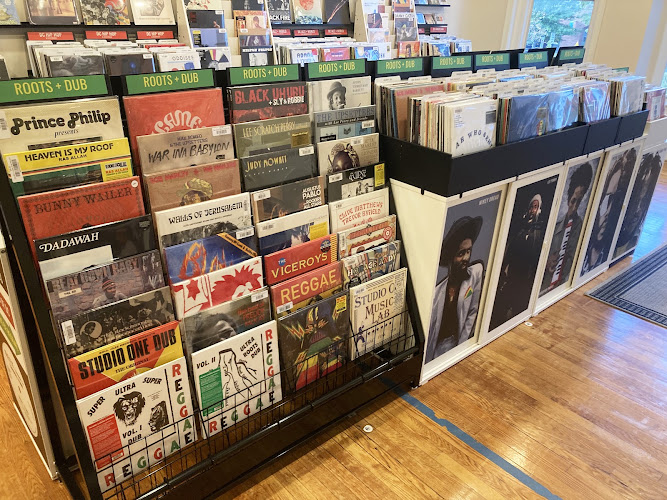
Washington has 9 open record shops in our list right now.
Start with art sound language, Byrdland Records, and HR Records.
Also open: Joint Custody; Rail Records & Books; Smash Records; Som Records; Spin Time Records; Tiny Vinyl Shop.
Live Music Venues
DC's venues range from legendary clubs to intimate spaces, all part of the city's deep music infrastructure.
9:30 Club is the crown jewel—opened in 1980, relocated to its current U Street location in 1996. Capacity ~1,200, consistently ranked among America's best venues. Nirvana played here in 1991, Radiohead in 1995. The sound, sightlines, and programming are flawless.
Black Cat on 14th Street is owned by Dave Grohl (Foo Fighters, Nirvana). Two rooms: the main stage (capacity ~600) and the Red Room bar with a small stage. Punk, indie, and local bands dominate the calendar. The venue embodies DC's DIY ethos with a bigger budget.
The Anthem at The Wharf is the city's largest modern venue (capacity ~6,000). Opened in 2017, it handles big national tours and arena-level acts in a theater setting.
DC9 on U Street is intimate (capacity ~200), hosting indie, punk, and electronic acts. Upstairs from a bar, low-key vibes, great for discovering new bands.
Songbyrd Music House combines the record shop with a small venue space. All-ages shows, local bands, touring indie acts. It's the modern expression of DC's all-ages punk legacy.
For go-go, hit Backyard Band or Rare Essence shows at various clubs in Southeast DC. These aren't tourist-friendly venues—bring respect and openness to experience DC's true cultural heartbeat.
The Kennedy Center handles classical, jazz, and world music for those seeking a different experience.
Music History & Legends
DC's music history is inseparable from its political and cultural identity. In the late 1970s, as disco dominated radio, DC teenagers created something rawer. Bad Brains, an all-Black punk band, brought reggae, jazz fusion, and Rastafarian philosophy to hardcore's fury. Their 1982 self-titled cassette remains a genre-defining masterpiece.
Minor Threat, led by Ian MacKaye, codified straight edge in 1981—punk without drugs or alcohol, a radical stance in a scene built on excess. Their song "Straight Edge" gave the movement its name and philosophy.
Dischord Records, founded by MacKaye and Jeff Nelson in 1980, became punk's most principled label. Every release was affordable, every band owned their masters, every show was all-ages. Dischord documented DC's scene through Rites of Spring, Embrace, Nation of Ulysses, and dozens more.
Fugazi (1987-2002) took those principles global. Ian MacKaye and Guy Picciotto led a band that charged $5 for shows, refused corporate sponsorship, and created some of post-hardcore's most innovative music. Their influence on indie rock and punk ethics is immeasurable.
Meanwhile, go-go was thriving in DC's Black communities. Chuck Brown created the sound in the mid-1970s, blending funk, Latin percussion, and call-and-response vocals. Trouble Funk and E.U. (Experience Unlimited) brought go-go to wider audiences in the 1980s, but the music remained stubbornly local—a point of pride.
The 9:30 Club opened in 1980 and quickly became the center of DC's music universe. Its 1996 move to U Street coincided with the neighborhood's revitalization, anchoring the area's cultural renaissance.
Neighborhoods for Music Lovers
U Street Corridor is the historic heart of Black Washington and the music district. 9:30 Club, DC9, bars, restaurants, and the legacy of jazz clubs that hosted Duke Ellington. Walkable, Metro-accessible, and buzzing nightly.
Adams Morgan is the eclectic neighborhood with Songbyrd, Smash Records, dive bars, and international restaurants. Young, slightly chaotic, great for bar-hopping after a show. Parking is tough—Metro or rideshare recommended.
Shaw/U Street (overlapping areas) is gentrifying but retains cultural richness. Red Onion Records and go-go history live here. The neighborhood is changing fast, but the music legacy endures.
14th Street is where Black Cat anchors a strip of bars, clubs, and restaurants. It's become a nightlife hub, though rent increases have pushed out some legacy businesses.
The Wharf is the new waterfront development housing The Anthem. Corporate and polished, but the venue itself is excellent. Good for a pre-show dinner along the water.
Capitol Hill is residential but has bars and smaller venues scattered around. Eastern Market area has weekend flea markets and a community vibe.
The Perfect Music Day
Morning: Start at Som Records in Adams Morgan. Browse vinyl, explore the neighborhood, soak in the vibe.
Afternoon: Take the Metro to Byrdland Records for soul, funk, and go-go vinyl. Grab lunch at a local spot and feel the cultural history.
Late Afternoon: Head to U Street Corridor. Walk the historic strip, check out the Duke Ellington mural, browse Smash Records for punk. Stop at Ben's Chili Bowl for a half-smoke.
Evening: Catch a show at 9:30 Club or Black Cat—buy tickets in advance for bigger acts. If nothing grabs you, check DC9 for a more intimate show.
Pro tip: DC's Metro is reliable and stops near most music spots. Skip driving if you can—parking is expensive and scarce near venues.
Your Route
Practical Info
Best time to visit: Spring (cherry blossoms) and fall (mild weather) are peak tourism but also best for shows. Summer is hot and humid. Winter is cold but venues stay packed.
Getting around: Metro is the move—U Street, Shaw, Adams Morgan, and Columbia Heights stations connect the music neighborhoods. Rideshare works but surges during events. Walking between U Street and 14th Street is doable.
Where to stay: Hotels in Dupont Circle, U Street, or Shaw put you near the action. Airbnbs in these neighborhoods work too. Avoid staying far out in Virginia or Maryland suburbs if you want to catch late shows.
Local tip: DC's music scene is deeply tied to the city's identity—racial history, gentrification, politics. Approach go-go shows and historically Black music spaces with respect and openness. And if you're into punk history, read Banned in DC by Kim Kane before you visit.